
Designing for Summer Comfort: How UK Homes Can Stay Cool During a Heatwave Without Air Conditioning
With increasingly frequent summer heatwaves across the UK, many householders are discovering that homes designed primarily for retaining heat in winter can quickly become uncomfortable in warmer months. While mechanical cooling systems such as air conditioning remain uncommon in UK homes, there are highly effective, low-energy strategies that can significantly reduce indoor temperatures and improve comfort.

This article outlines practical, evidence-based methods to keep homes cool, ranked by effectiveness, and considers how each approach suits different house types, from period terraces to modern apartments.
Understanding Overheating
Before considering solutions, it is important to understand why homes overheat. The primary causes are solar gain through glazing, poor ventilation, heat retention in building fabric, and internal heat gains from appliances and occupants. Once heat enters a well-insulated building, it can be slow to dissipate.
The key principle is simple: prevent heat from entering during the day and purge it effectively at night.
Top Cooling Strategies

1. External Shading (Very High Effectiveness)

External shading is consistently proven to be the most effective way to reduce overheating. Studies show that properly designed shading can reduce solar heat gain through windows by up to 80 to 90 percent.
Options include external blinds, shutters, brise soleil, and even temporary solutions such as awnings or strategically placed planting. The key advantage is that heat is stopped before it reaches the glazing.
Best suited for:
Detached and semi-detached homes where external alterations are feasible
South and west-facing elevations in all property types
Particularly beneficial in modern homes with large areas of glazing
Less suited for:
Apartments with restricted façade control
Listed or conservation area properties where alterations are limited

2. Night-Time Ventilation (High Effectiveness)
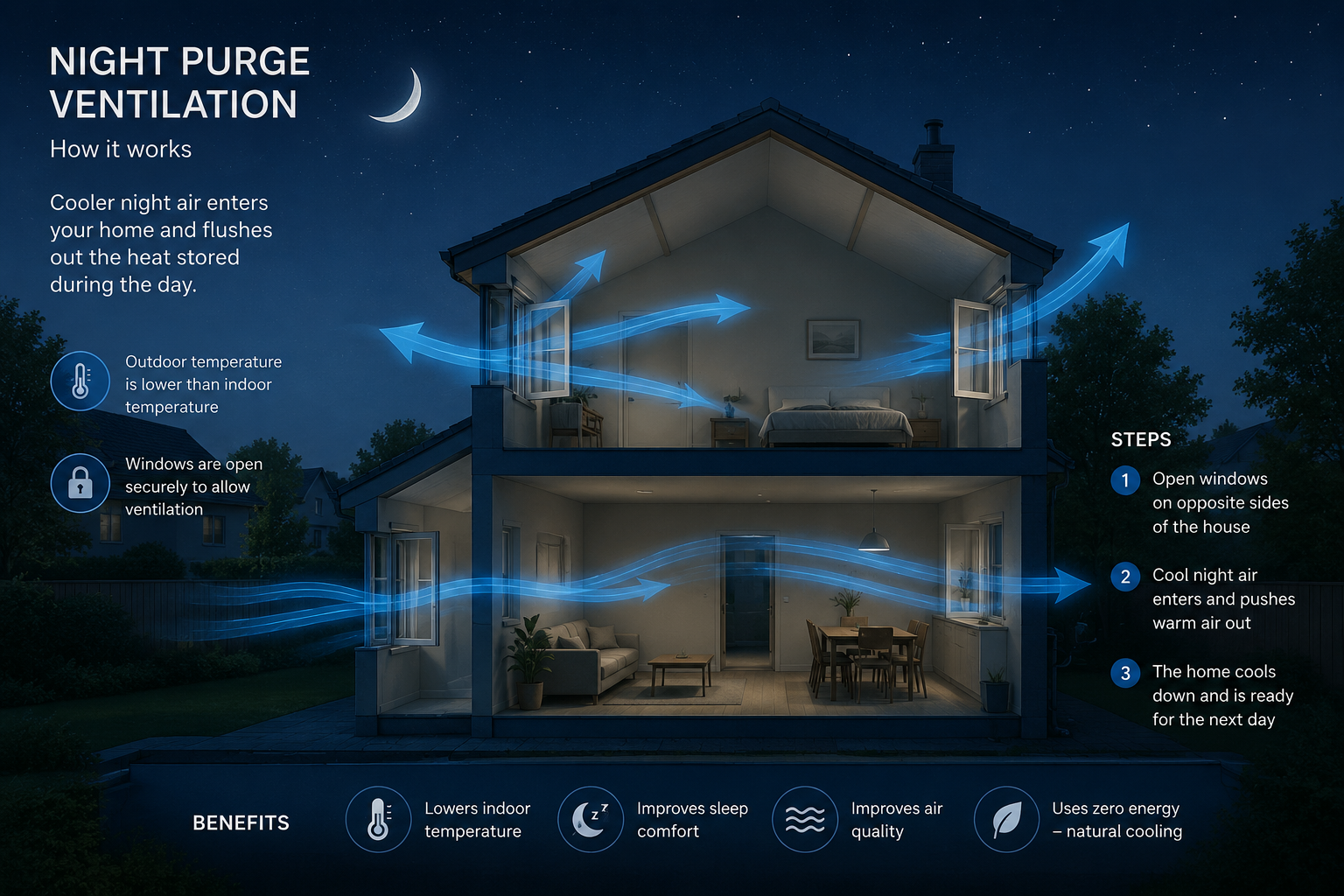
Purge ventilation at night allows cooler external air to flush out accumulated heat. Research indicates that effective night ventilation can reduce internal temperatures by 2 to 5 degrees Celsius.
This strategy relies on secure window opening, cross-ventilation, and ideally a temperature drop overnight.
Best suited for:
Houses with dual-aspect layouts, such as terraces and semis
Detached homes with multiple opening windows
Bungalows, where stack effect can still be utilised through rooflights
Less suited for:
Single-aspect apartments
Urban areas with noise or security concerns

3. Solar Control Glazing and Window Management (Moderate to High Effectiveness)

Closing blinds or curtains during the day reduces solar gain, though internal shading is less effective than external systems. Reflective blinds or light-coloured curtains can reduce heat gain by around 30 to 40 percent.
Modern solar control glazing can also limit heat entry while maintaining daylight.
Best suited for:
Apartments and terraces where external shading is not possible
Period properties where interventions must be reversible

4. Reducing Internal Heat Gains (Moderate Effectiveness)

Appliances, lighting, and cooking contribute to overheating. Switching to LED lighting, avoiding oven use during peak heat, and limiting standby devices can make a noticeable difference.
While each measure is small, combined reductions can lower internal temperatures by around 1 to 2 degrees Celsius.
Best suited for:
All property types

5. Landscaping and Green Infrastructure (Moderate Effectiveness)

Vegetation provides shading and cools the surrounding air through evapotranspiration. Trees, green walls, and shaded outdoor areas can reduce local ambient temperatures and limit solar exposure.
Best suited for:
Detached and semi-detached homes with gardens
Bungalows with exposed rooflines
Less suited for:
Dense urban terraces and apartments

6. Loft and Roof Insulation Adjustments (Low to Moderate Effectiveness in Summer)
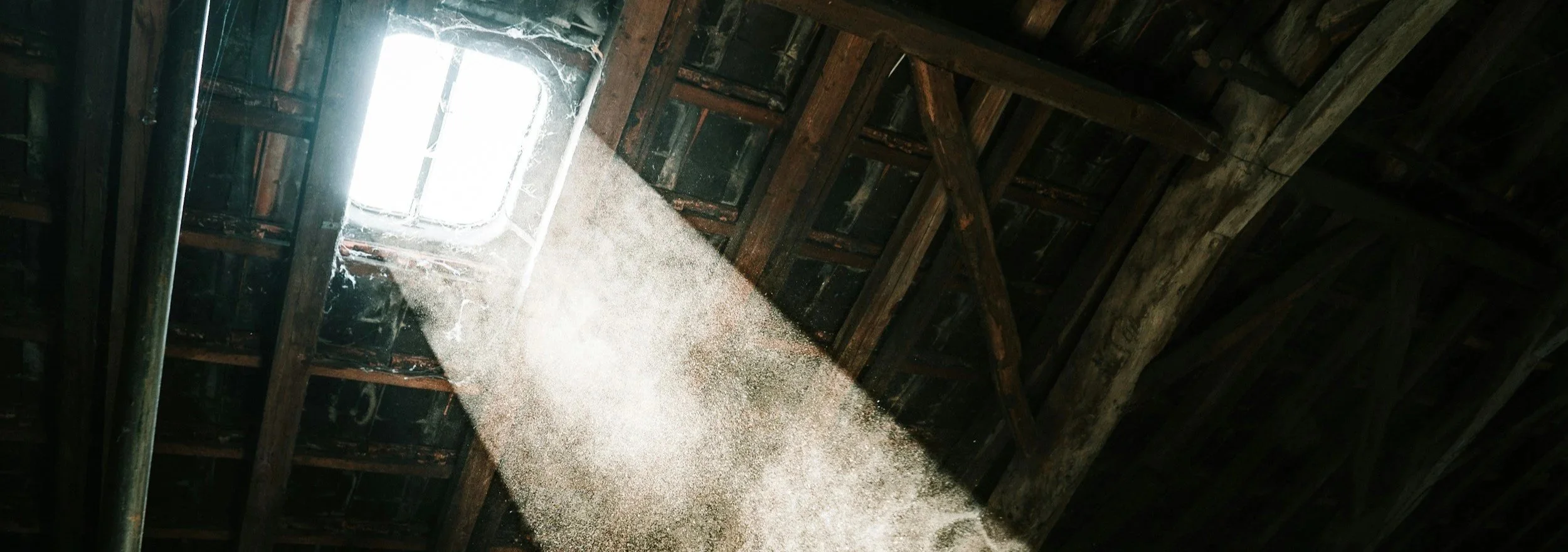
While insulation is essential for winter, poorly ventilated roof spaces can contribute to overheating. Ensuring adequate loft ventilation can help prevent heat build-up transferring into living spaces.
Best suited for:
Bungalows and top-floor flats
Older properties with poorly ventilated roof voids
Matching Strategies to House Types
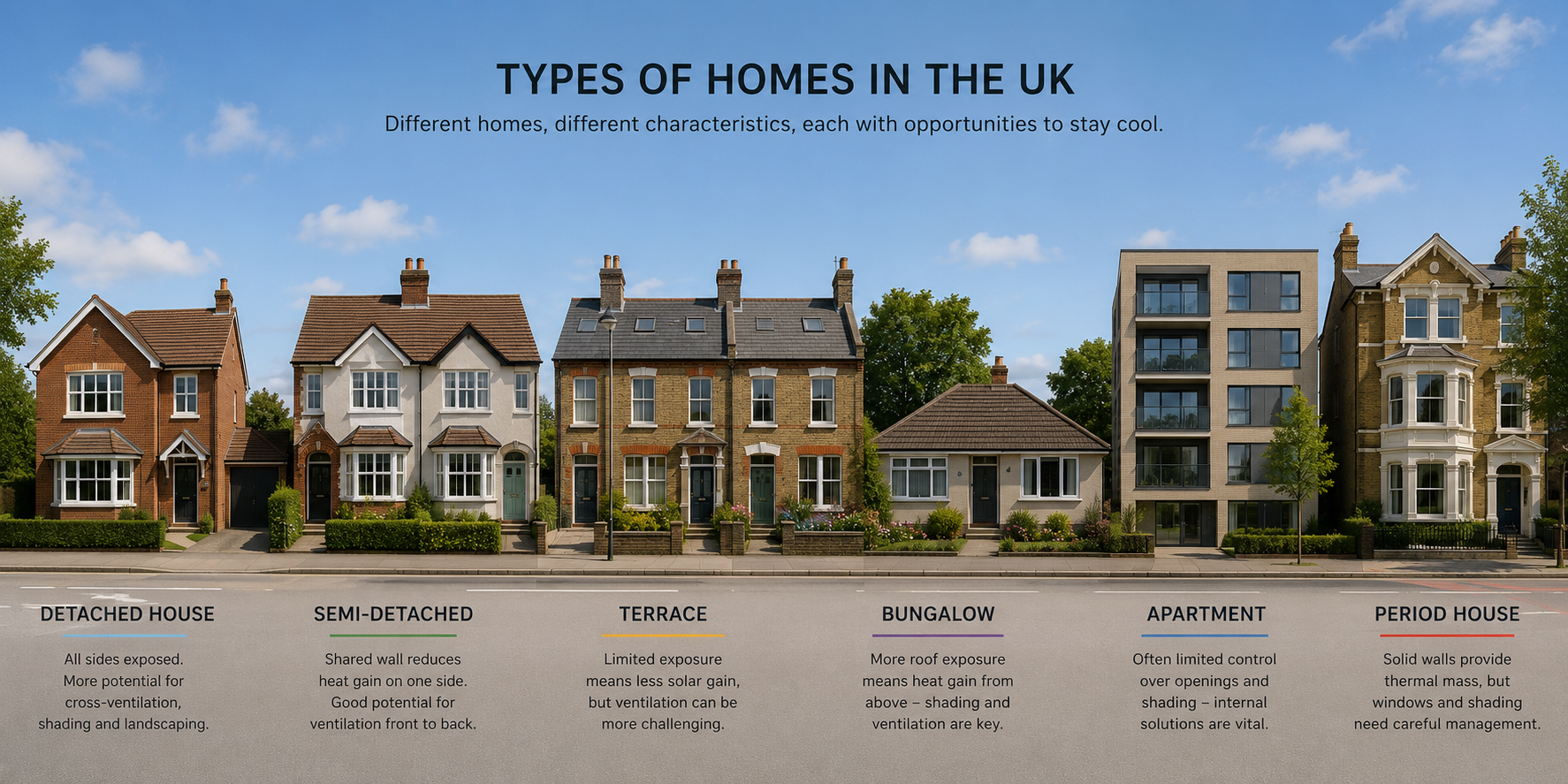
Detached Houses
These offer the greatest flexibility. External shading, landscaping, and cross-ventilation can be fully utilised. Combining shading with night ventilation provides excellent results.
Semi-Detached and Terraced Houses
These benefit from reduced solar exposure on shared walls but may struggle with cross-ventilation. Focus should be on shading front and rear façades and maximising airflow through the plan.
Bungalows
With large roof exposure, managing solar gain at roof level is critical. Rooflights should be carefully specified, and night ventilation is particularly effective due to single-level airflow paths.
Apartments
Often the most challenging. Single-aspect layouts limit ventilation, and external shading may not be possible. Internal blinds, reflective films, and careful window management become essential.
Period Properties
Thick masonry walls can provide useful thermal mass, but large sash windows can introduce significant solar gain. Reversible measures such as shutters, blinds, and night ventilation are typically most appropriate.
A Fabric-First Approach to Summer Comfort
The most successful strategy is always preventative. Once heat enters a building, it is difficult to remove without mechanical assistance. By combining shading, ventilation, and thoughtful use of materials, it is entirely possible to maintain comfortable internal conditions, even during prolonged heatwaves.
For those undertaking refurbishment or new build projects, early design decisions are critical. Orientation, window sizing, and shading design should be considered alongside insulation and airtightness, not as an afterthought.
Conclusion
Cooling UK homes without air conditioning is not only achievable but aligns with low-energy, sustainable design principles. External shading and night ventilation stand out as the most effective measures, while a combination of smaller interventions can further enhance comfort.
As climate patterns continue to shift, designing for summer resilience is becoming just as important as designing for winter warmth. A well-considered approach can deliver homes that perform comfortably year-round, without reliance on energy-intensive systems.
If you are considering a new build or retrofit project and want to ensure your home remains comfortable in all seasons, early design input can make a significant difference, feel free to get in touch.