
Domestic PV and Battery Solution - A Case Study from a Northern Ireland Home (Part 1)
“An annual saving of £875”
In 2024 our home in Northern Ireland continued to operate with a hybrid energy model that integrates solar photovoltaic (PV) generation, battery storage, and grid electricity. This year’s data gives a clear picture of how on site renewable generation and smart energy management can significantly reduce electricity costs and carbon emissions. In this blog I will walk through the performance of our PV system and batteries, compare costs with a standard electricity tariff, and explore how future changes in heating technology might influence our electrical demand.
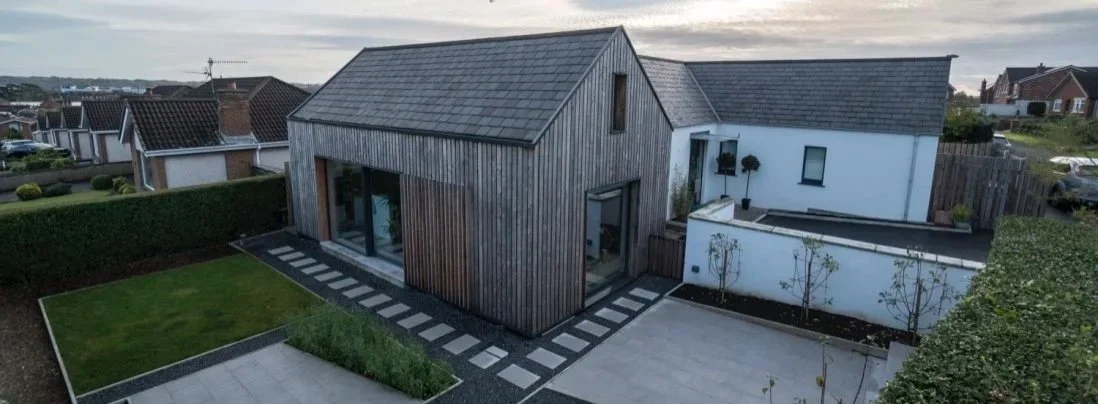
House and Energy System Overview
Our property is a single storey home of approximately 1750 square feet, built in 2017 with good thermal performance. Three people live in the house. Heating and hot water are provided by a gas combi boiler, which means that while electricity usage is separate from heating demand, overall energy consumption still affects the total environmental footprint of the house.
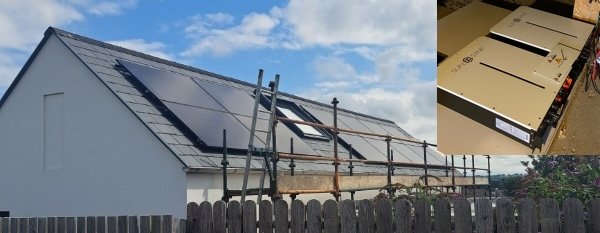
For on site electricity generation we installed thirteen 400 watt (W) solar PV panels on our south facing roof. These panels are coupled with two domestic battery units, each with a 5 kilowatt hour (kWh) storage capacity. The overall system is designed to prioritise self consumption, whereby electricity generated by the PV array is first used directly in the house, with any excess stored in the batteries. When both direct use and battery capacity are satisfied, surplus energy is exported to the grid.
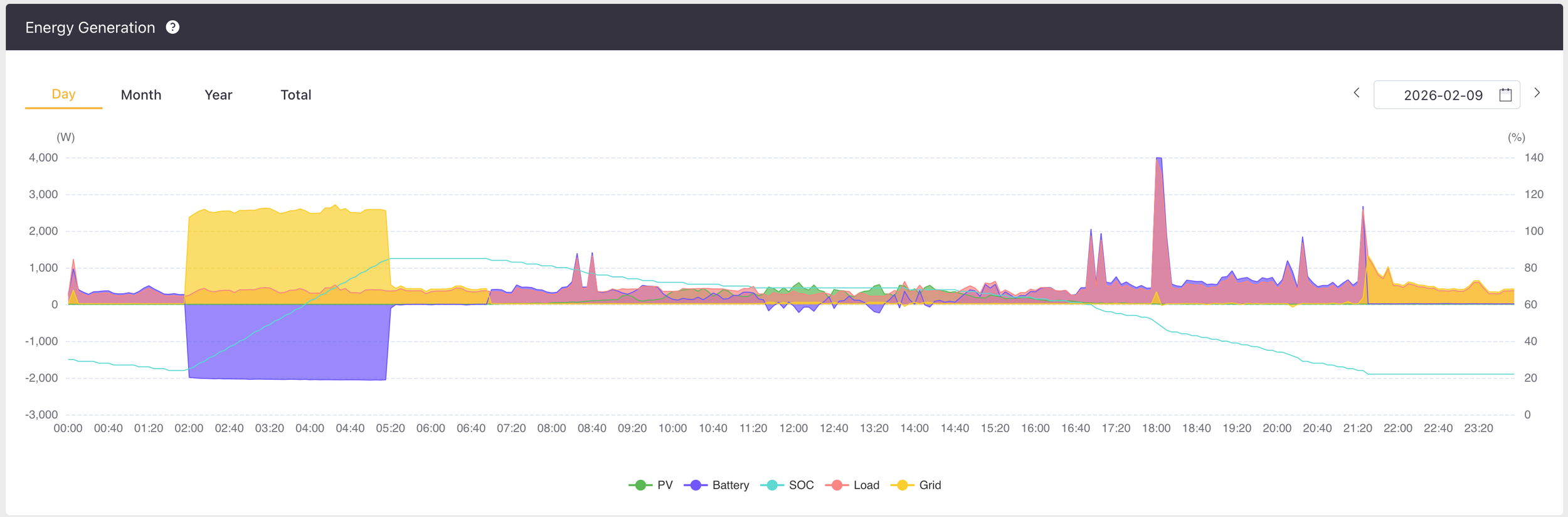
In winter months when solar generation is limited by shorter daylight hours and lower insolation, the batteries are charged at night from the grid under an Economy 7 tariff with lower overnight rates provided by Click Energy. This stored electricity is then used during the day when needed, supplementing any direct solar generation and reducing daytime grid draw.
Annual Electrical Performance in 2024
Over the course of 2024 the system performance was as follows:
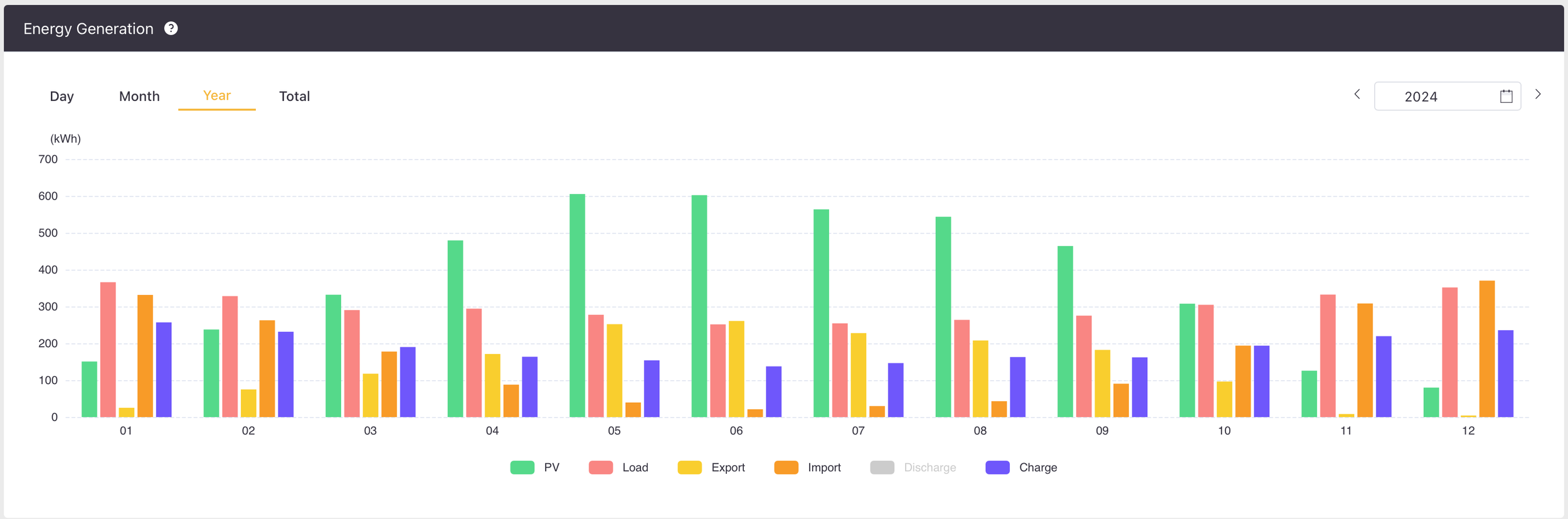
Electricity drawn from the grid: 1,775 kWh
Cost of electricity drawn: £353.96
PV generation: 4,492.5 kWh
Electricity exported to the grid: 2,069 kWh
Income from export sales via Action Renewables: £246.21
After offsetting the export income, our annual adjusted cost for electricity was £107.75.
To put this figure in context, if we had purchased all of our electricity from the grid at Click Energy’s Bill Pay 24 Hour Round the Clock tariff, the cost would have been approximately £982.00 for the year, based on an average rate of £0.2735 per kWh.
This comparison highlights a financial benefit of £874.25 in 2024 achieved through the combination of PV generation, battery storage, and strategic use of grid electricity at lower tariffs.

Solar Generation and Daylight Hours in Northern Ireland
Solar generation in a given year is closely tied to the amount of available daylight and sunshine hours. In Northern Ireland annual daylight hours vary significantly through the seasons, ranging from around 7 hours in mid December to over 17 hours in June. While daylight is not the same as direct sunshine, the length of day provides the potential window for PV generation.
According to meteorological data, Belfast (which is representative for much of Northern Ireland) typically receives around 1,400 to 1,500 hours of sunshine per year. Sunshine hours represent times when solar radiation is sufficient for meaningful PV output. In 2024 the seasonal distribution of daylight meant strong generation in spring and summer months, with lower but still useful generation through autumn and winter.
The PV generation of 4,492.5 kWh for our home reflects both the panel capacity and the local solar resource. With 13 panels of 400 W each, the theoretical peak capacity of the array is 5.2 kW under ideal conditions. Real world performance is affected by weather, panel orientation and tilt, and system efficiency, but the annual result shows a robust contribution to household energy demand.