
Preparing your home for the colder months - Practical steps for homeowners
Winter comfort doesn’t have to mean big bills or disruptive building works. A combination of low-cost DIY actions and a handful of targeted professional upgrades will make a measurable difference to warmth, damp risk, and heating costs - especially in our damp, maritime climate in Northern Ireland and Ireland. Below I set out practical things homeowners can do themselves, then sensible improvements to consider employing help for, and finish with a short note on ventilation requirements.
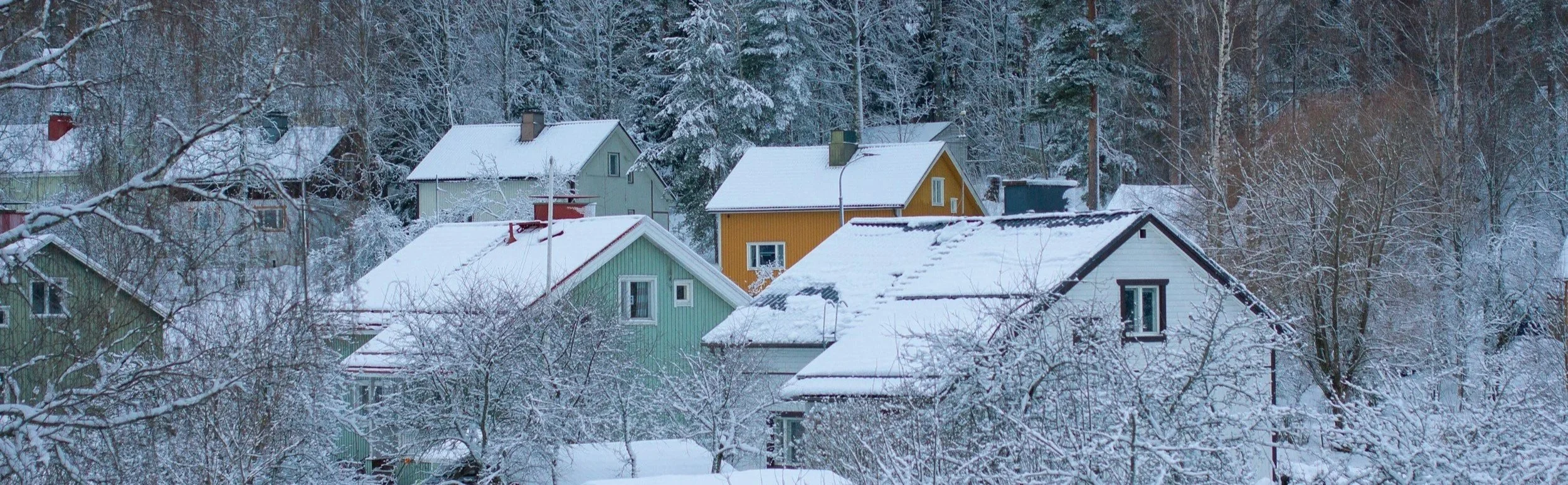
Easy DIY jobs you can do this weekend
1. Draught-proof doors and windows
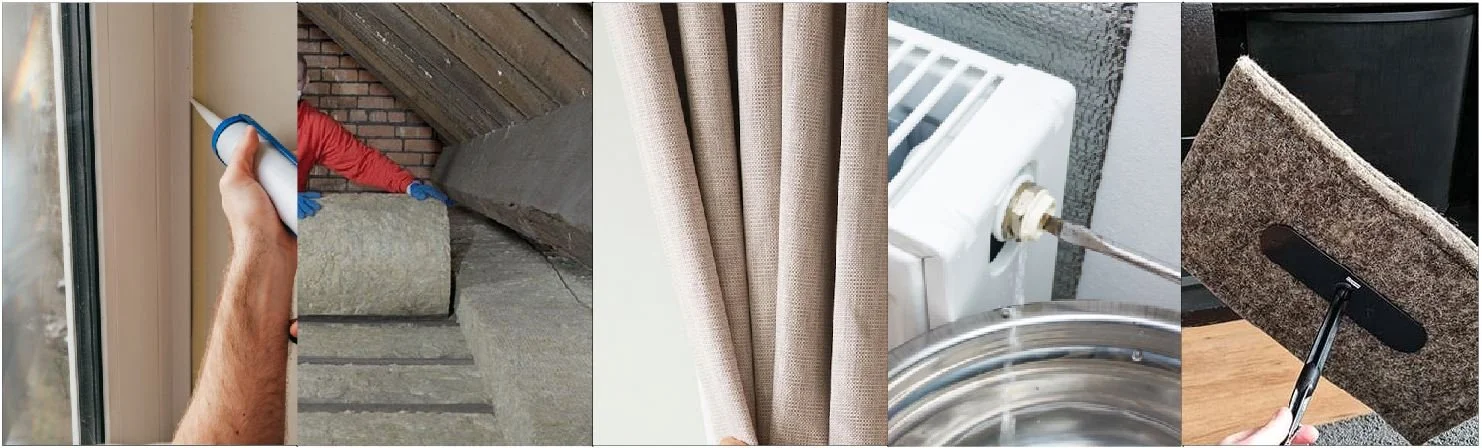
Small gaps around skirtings, doors and windows are surprisingly costly: draughts let warm indoor air escape and cold air in. Simple fixes - self-adhesive brush or rubber seals for doors and sash windows, draught excluder strips, and silicone filler for small gaps - are cheap and quick. The Energy Saving Trust estimates that draught-proofing can save households around £80–£85 a year in Great Britain and Northern Ireland.
2. Insulate the attic hatch and check loft insulation
Up to a third of a home’s heat can be lost through the roof if loft insulation is inadequate. Make sure your loft hatch has insulation and draught-proofing and top up loft insulation if it’s compressed or thin (loft insulation guidelines will tell you target depths). These simple measures improve internal temperatures and reduce heating runtime.
3. Use heavy curtains and thermal blinds
Thermal curtains or lined blinds reduce radiant heat loss through windows at night and are particularly effective on older windows or in rooms with large glazing areas. Close them as it gets dark and open by day when the sun is shining to get passive solar gain.
4. Bleed radiators and balance heating
Bleeding radiators to remove trapped air and checking that thermostatic radiator valves (TRVs) are working properly helps heat circulate efficiently. This is an easy task with a radiator key and can improve comfort without extra energy. Guidance on home heating behaviour and small efficiencies is widely recommended by government advice.
5. Seal floors, skirtings and chimneys
Apply sealant under skirting boards, fit chimney balloons or draught stoppers for unused chimneys, and use thresholds/brushes under external doors. These incremental fixes add up to meaningful reductions in cold drafts. (Note:it's crucial to leave some trickle ventilation (like an air brick) to prevent damp/condensation, as complete blockage isn't ideal. )
Low-cost behavioural changes that help immediately
Turn the thermostat down by 1°C - small drops can save a noticeable proportion of heating use without big comfort loss.
Heat rooms you use: close doors to unused rooms and use TRVs.
Use programmable or smart controls so heating matches occupancy rather than running constantly. Government and energy advice recommend “heat the human, not the whole house” where appropriate.
Improvements worth employing a professional for
If you want longer-term savings and comfort, these measures typically require a tradesperson or specialist installer:
1. Professional draught-proofing and window servicing
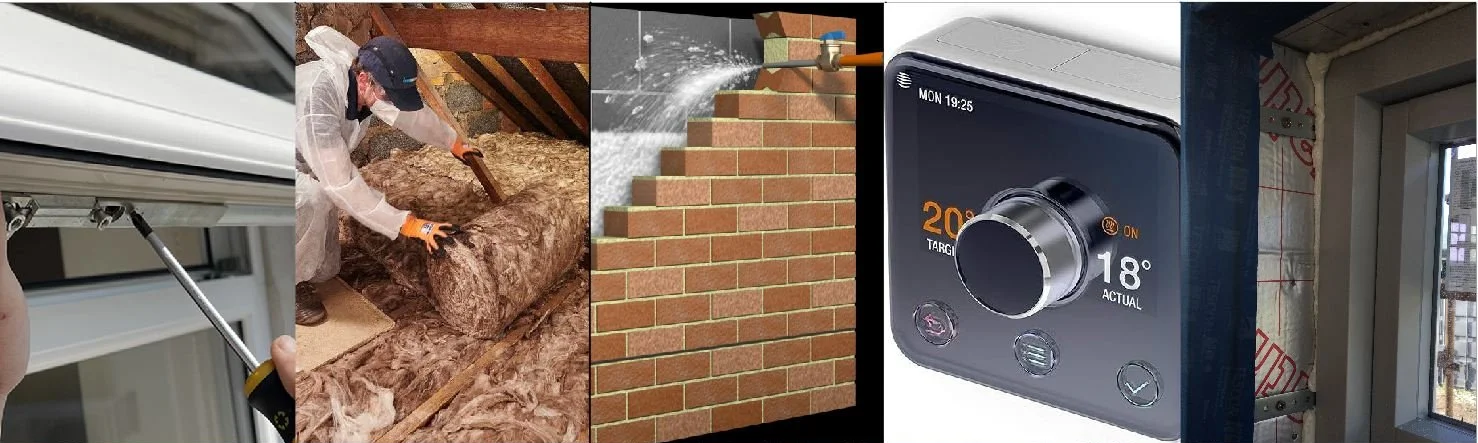
A professional draught-proofing service can be more thorough (and still modest in cost) - the Energy Saving Trust gives typical annual savings and notes the relative cost/benefit. Likewise, servicing or adjusting existing windows (e.g., re-setting sashes, improving seals) is best done by a skilled joiner.
2. Loft insulation upgrade
If your loft has little or no insulation or the existing insulation is compressed, a tradesperson can install to recommended depths safely (and check ventilation and cold loft details). SEAI and UK schemes frequently offer grants or incentives which may reduce the upfront cost.
3. Cavity wall insulation or targeted internal/external wall insulation
Where appropriate, cavity wall insulation or, for solid walls, internal or external insulation can drastically cut heat loss. These are more involved and must be specified and installed correctly for your wall type - a building professional will assess moisture risk, finishes, and thermal performance. Government briefings and research note the big role wall insulation plays in improving home energy efficiency across the UK.
4. Heating system improvements
Upgrading controls (smart thermostats, room thermostats), servicing boilers, or switching to a high-efficiency heat pump are larger interventions that deliver measurable savings. The English Housing Survey and BEIS material summarise how heating systems contribute to household energy use and why improved controls matter.
5. Window upgrades and thermal-bridge reduction
If windows are old and single glazed, replacing them with high-performance units will reduce heat loss and improve comfort - but for high-performance homes you should also detail reveals and frame insulation to avoid thermal bridging. Passivhaus and thermal-bridge guidance show how detailing around openings makes a big difference to overall performance.
What savings or benefits can you expect?
Savings vary by house type, current condition, and behaviour. Typical, evidence-based examples include:
Draught-proofing: ~£80–£85/year in GB/NI for typical measures.
Loft insulation: because up to ~30% of heat can be lost through the roof, improving loft insulation is one of the most cost-effective measures. SEAI highlights this figure when recommending attic insulation as a first step.
Heating controls and behaviour changes: lowering thermostat 1°C and using zoning/controls can reduce bills noticeably; BEIS surveys show behaviour and heating controls remain key influencers on household energy consumption.
Ventilation — don’t block fresh air for warmth
A warm, airtight home still needs controlled ventilation. Building Regulations Technical Booklet K (NI), Technical Guidance Document F (ROI) & Approved Document F (England) sets out minimum ventilation for dwellings: continuous background ventilation and extract ventilation in wet rooms (kitchens, bathrooms), plus the ability for purge ventilation (e.g., openable windows). Improving insulation and sealing without maintaining or upgrading ventilation risks poor indoor air quality, condensation and mould. If you increase airtightness (or install measures like double/triple glazing, wall insulation), consider mechanical extract, trickle vents or a mechanical ventilation with heat recovery (MVHR) system if you’re pursuing deep upgrades - these preserve heat while providing fresh air.

Final thoughts
Start with low-cost, high-return DIY actions: draught-proofing, improving loft hatch insulation, using heavy curtains, checking radiators and changing behaviour (thermostat setbacks, zoned heating). For longer-term performance, professional loft and wall insulation, improved heating controls, and careful window/thermal-bridge detailing will deliver significantly better comfort and lower bills - especially when combined with attention to ventilation. If you’d like, I can prepare a short checklist tailored to typical Northern Irish mid-terraces, detached houses or period stock, or sketch a detail showing how to insulate a window reveal to reduce thermal bridging.