
The Future of Sustainable Homes in Northern Ireland
When people think about the future of housing, sustainability is no longer an optional extra - it’s a necessity. In Northern Ireland, with rising energy costs, growing awareness of climate change, and stricter building regulations on the horizon, the conversation around sustainable homes has become more important than ever. But what does a truly sustainable home look like? And how can homeowners in Northern Ireland prepare for the future of low-energy, environmentally conscious living?
As an architectural practice specialising in bespoke dwellings and energy-efficient extensions, we believe the future of sustainable homes is not only about technology, but about thoughtful design that balances comfort, practicality, and long-term performance.
Why Sustainability Matters in Northern Ireland
Northern Ireland’s housing stock has traditionally relied on oil and gas, which leaves many households vulnerable to fuel poverty. Add to this our damp climate and older building fabric, and it’s clear why sustainability matters here more than ever.
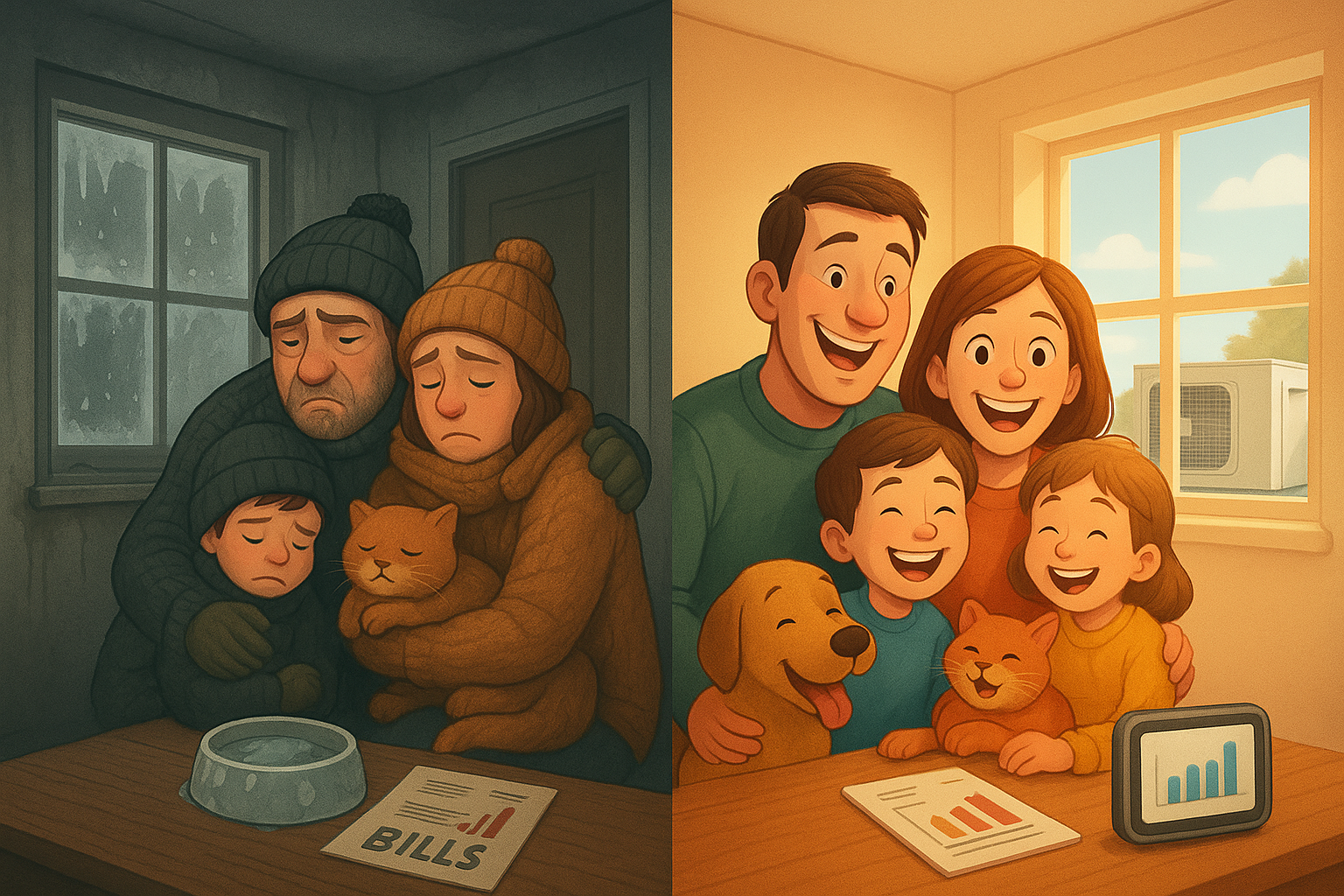
Sustainable homes aren’t just about lowering carbon emissions - though that is vital. They also mean:
Lower running costs thanks to reduced energy demand.
Healthier indoor environments with better air quality and more natural light.
Future-proofing homes against rising energy prices and changing regulations.
Long-term value, as buyers increasingly prioritise energy efficiency.
The Principles of Sustainable Homes
So, what actually makes a home sustainable in practice? At RHD Architects, we focus on three core principles:
1. Fabric First Design
Before adding solar panels or heat pumps, it’s essential to get the building fabric right. This means high levels of insulation, excellent airtightness, and careful detailing to minimise thermal bridges. In many cases, improving the building envelope has the biggest long-term impact on energy efficiency.
2. Smart Energy Use
Sustainable homes embrace technologies that reduce reliance on fossil fuels. Air-source heat pumps, mechanical ventilation with heat recovery (MVHR), and solar PV panels are becoming increasingly common across Northern Ireland. But technology works best when paired with good design.
3. Sustainable Materials and Construction
From using timber sourced from responsibly managed forests to low-carbon concrete alternatives, material choice plays a huge role in reducing the environmental footprint of new builds and extensions.
Passivhaus: A Proven Standard
One of the clearest models for sustainable housing is the Passivhaus standard, which has already been adopted widely in Europe and is gaining traction in Northern Ireland.
Passivhaus homes are designed to use up to 90% less energy for heating and cooling compared to traditional homes. They achieve this through:
Super-insulation
Triple-glazed windows
Airtight construction
Mechanical ventilation with heat recovery
While building to Passivhaus can involve higher upfront costs, the benefits in terms of comfort, health, and reduced running bills are significant.
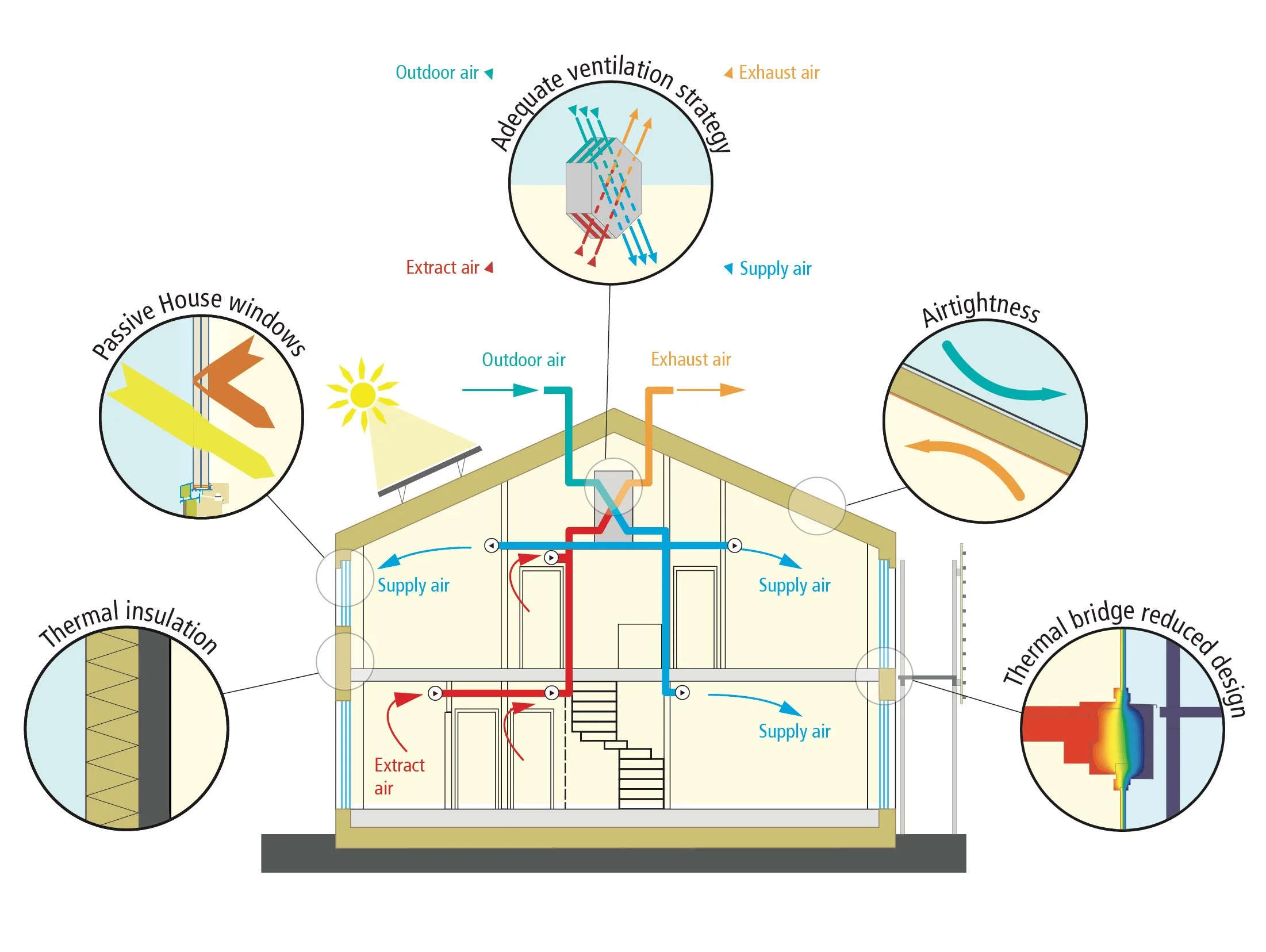
Insulation
The walls, roof and floor must be extremely well insulated.
Windows
Frames must be insulated and use low-e, gas-filled glazing to reduce heat loss. Windows should have a U-value of 0.80 W/(m²K) or better, with about 50% solar gain.
Ventilation with Heat Recovery
A ventilation system must recover at least 75% of heat from outgoing air to keep indoor air fresh and energy use low.
Airtightness
The building must be very airtight, with less than 0.6 air changes per hour at 50 Pascals during a pressure test.
Thermal Bridges
Junctions and connections must be designed to avoid or minimise heat-loss pathways known as thermal bridges.
More information at Passivhaus Trust
Challenges and Opportunities in Northern Ireland
Of course, there are challenges unique to our region:
Older housing stock: Many homes were built before insulation was a priority. Retrofitting these properties is complex but crucial.
Planning permission: Rural builds in particular often face restrictions on size, style, and visibility, which can limit design choices.
Construction skills gap: Delivering airtight, energy-efficient homes requires specialist skills, and training across the industry is still catching up.
But there are also clear opportunities:
Government incentives: With pressure to meet climate targets, we expect more grants and funding to support low-carbon upgrades.
Growing awareness: Clients are increasingly asking us about energy efficiency, renewables, and sustainable materials as part of their brief.
Innovation: From modular construction to new insulation materials, sustainable design is evolving quickly.
What Homeowners Can Do Now
If you’re considering a new build or extension in Northern Ireland, here are a few steps to future-proof your home:
Prioritise energy efficiency in your design brief from the outset.
Choose an architect experienced in sustainable design and low-energy construction.
Think long-term value - investing in insulation or airtightness now pays dividends for decades.
Explore renewable energy options such as solar panels or heat pumps where appropriate.
Consider certification such as Passivhaus or AECB Building Standard for extra reassurance.
Looking Ahead
The future of housing in Northern Ireland is moving firmly towards sustainability — not just because regulations demand it, but because people increasingly recognise the benefits of living in homes that are comfortable, efficient, and environmentally responsible.
At RHD Architects, we believe the most successful sustainable homes are those that feel natural to live in. They don’t shout about being “eco” - instead, they quietly deliver warmth, light, and comfort while consuming very little energy. That’s the future of housing we’re excited to be part of.
Final Thought
Sustainable homes in Northern Ireland are not a distant ideal; they are already here. The real question is how quickly we can adapt our existing homes, and how willing we are to invest in smarter, greener living for the future.
If you’re planning a new build or extension and want to ensure it’s designed with sustainability at its core, we’d be delighted to guide you through the process. If you’re considering a project and would like to discuss your ideas, feel free to get in touch.